Sunday, 24 February 2013


What Is Organic Food?
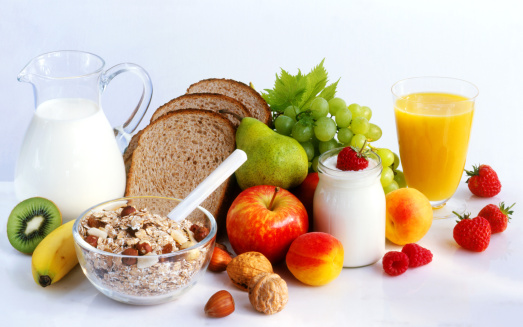
Organic food is any food that is produced without the use of artificial pest control, fertilization, or drugs. But in order to be certified by the government as "organic," the food must be produced under very stringent guidelines and rules. It must meet certain set standards. Basically, just because your neighbor doesn't use pesticides on his tomato plants, doesn't make the tomatoes organic.

For fruits and vegetables to be certified as organic, they must be grown without the use of pesticides, artificial fertilizer, or sewage sludge. The food must have been processed without the use of any kind of food additives or preservatives. Meat that is deemed organic must come from animals that have been raised without the use of growth hormones or antibiotics that are very widely used in the production of all meat-producing animals including beef, poultry, pork, lamb, etc. The animals must have been fed a diet that consists of nothing but organic feed.

A lot of the big retailers are now trying to get their cut of the rapidly growing organic food market. Even Walt-Mart, the retail giant, is not marketing "organic" foods. The key word to look for is "certified," to be sure that the food that you are buying really IS completely organic.

There is no law against selling food deemed "organic," but in order to be deemed "certified organic," the farm or ranch on which the food was produced must have met rigorous standards and been certified as an organic producer. The rules and regulations are strict, and getting that designation is not free by any means.

Food that is marked "organic" can be imported from other countries that do not have the same standards as those of the United States. The term "buyer beware" applies to the organic food market.

Wednesday, 23 January 2013

Fact about Organic Food and Weight Loss


We've become a weight-conscious nation. A great majority of American adults will embark on a weight loss program this year. Some will even be successful. We all know that organic food is better for our bodies than traditionally produced foods. We know that we aren't being exposed to the chemicals and toxins that are present in traditionally produced foods when we eat organically produced food. But did you also know that eating organically produced food can help you lose those unwanted pounds?

It's true. The liver — an organ in the human body — is responsible for many things, but one of its most important tasks is to remove toxins from the foods that we eat. The liver also is the organ responsible for burning the most fat that is consumed. The main point to remember is that TOXINS TAKE PRECEDENCE.

If the liver is busy removing toxic chemicals from the body, then it isn't burning as much fat as it should. In order for the liver to work efficiently, it needs to be fed well. The liver needs for you to eat a diet that is high in fibre. Fibre provides fuel for the liver.

Fibre in the diet does many things. For example, an adequate amount of fibre in the diet helps the digestive system to dispose of waste easily and efficiently. A high-fibre diet helps to keep your digestive system operating smoothly. It will help the body to dispose of the waste that it needs to dispose of every day.

The body is wonderfully designed — it even comes with a "stand-by" system. That stand-by system is called "fat." When you body is fed toxic chemicals, the liver is busy eliminating those toxins so it simply stores the fat to be dealt with later. The problem is, if you keep eating those toxins, the liver never gets around to dealing with the fat.

Monday, 21 January 2013

3 steps How To Grow Organic Vegetables In Pots


Guess what? You can grow your own organic vegetables in your own yard, or on your own patio, or even in your own garden — in pots! It's a lot easier than you might think, too. Here some steps you need to do,

Step 1:
Go to your local garden store and purchase pots. It's better to buy environmentally friendly pots like clay or wood. It's important for the pot to have drainage holes in the bottom.

Step 2:
The next thing you need is organic soil. Most garden centres sell packaged organic potting soil. (Unfortunately, most of this organic soil is still being packaged in plastic, but we are working on that problem.) You might also check with your local organic farm. Sometimes organic farms sell organic soil and natural composted fertilizer as well.

Step 3:
Now you need to decide what kinds of vegetables that you will raise. For your early attempts, it is probably better to choose vegetables that don't need a lot of space to grow, like radishes, lettuce, or carrots. As you get better at organic gardening, you'll be ready to raise other, more labour-intensive crops.

You need seeds, but you don't want to buy those little packets of seeds that are sold everywhere. You want to look for seeds or plants that have been organically grown so that you get the full benefit from your crops. The produce will be no better than the seed that it comes from.

Final step :
Enjoy your healthy organic foods. One of the greatest benefits, in my opinion, to gardening in pots is that the gardener has so much more control of factors like light and shade. Most vegetables are just as pretty as many "decorative" plants. You can display your organic vegetables just like you would any other potted plant. After you get the hang of growing organic vegetables in pots, you might branch out (pun intended) to growing your own organic herbs, as well.

Download Here To Learn How To Grow Organic Food With Less Than 8 Hours Work A Year